



27 July 2026
Ahmed Al Mamari:
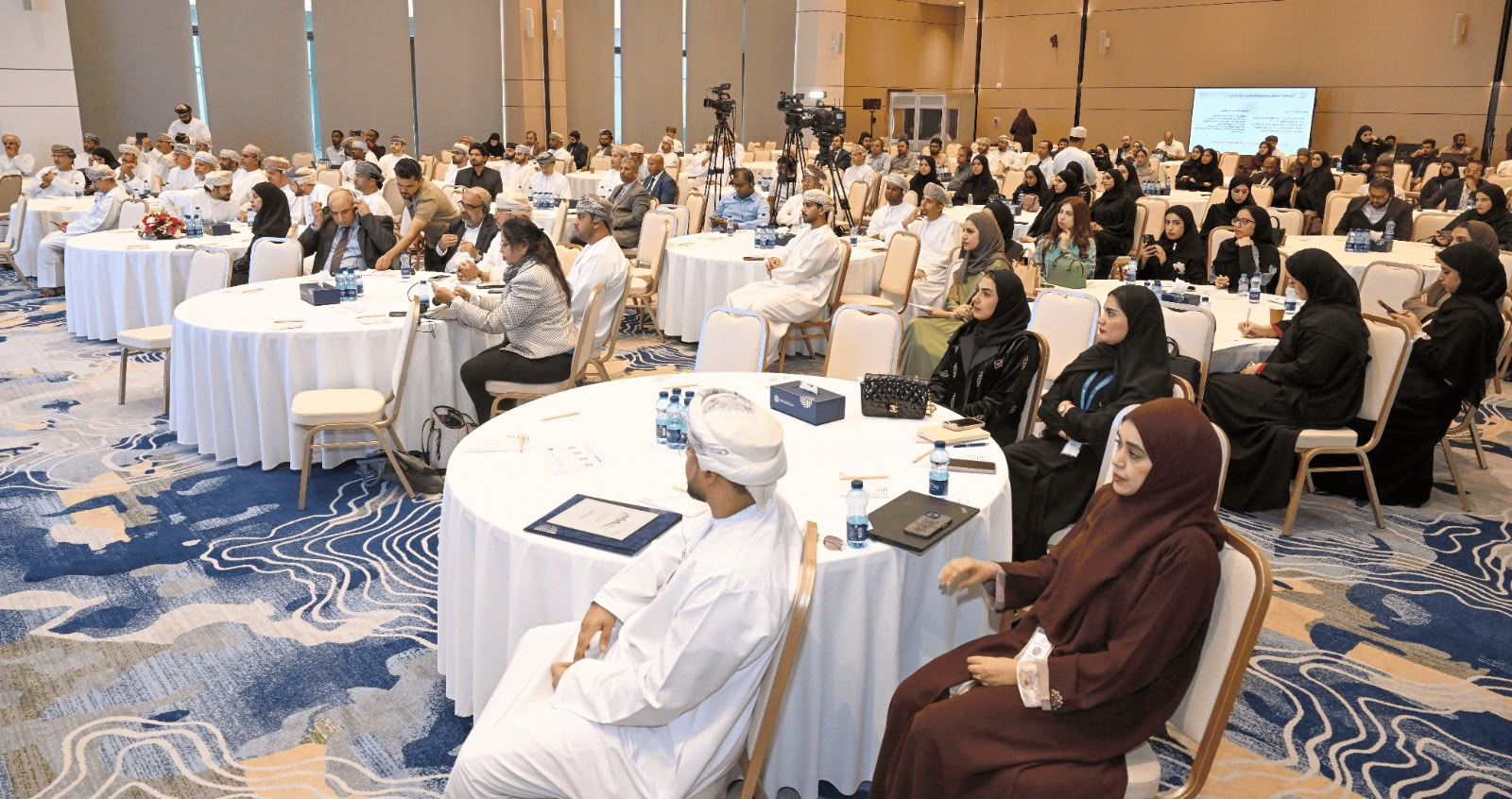
The Financial Services Authority (FSA) held the Accounting and Auditing Profession Forum in the Sultanate of Oman under the theme "Professional Standards for Enhancing Credibility" on 26 and 27 July 2026. The forum was opened by Ahmed bin Ali Al Mamari, Vice Executive President at the FSA, in the attendance of representatives of accounting and auditing firms and professionals working in the sector.
The dialogue forum forms part of the FSA's ongoing efforts to regulate and develop the profession, keep pace with international developments, strengthen the capabilities of institutions operating in the sector, and enhance the quality of professional practices in line with international standards and evolving legislative and regulatory requirements.
Speaking at the opening of the forum, Al Mamari said the forum builds on the FSA’s efforts to develop and regulate the accounting and auditing profession and continues its ongoing dialogue with practitioners. He noted that this gathering is not the first of its kind, but rather another chapter in a series of constructive meetings and discussions that bring together the FSA and its stakeholders. He added that, since responsibility for regulating the profession was transferred to the FSA, it has consistently adopted direct engagement with practitioners as a core approach, believing that the profession can only be advanced through active partnership with practitioners and stakeholders, rather than through regulatory decisions alone.
He explained that the forum was designed to provide an open platform for dialogue, the exchange of expertise, listening to participants' views and observations, and discussing the practical challenges facing practitioners, based on the belief that the most effective solutions are those developed through the participation of all stakeholders.
Al Mamari added that the FSA believes effective regulation begins with raising awareness, promoting knowledge, reinforcing professional values, and enabling practitioners to address and rectify deficiencies wherever possible before resorting to supervisory measures required by legislation. He noted that while laws and regulations establish the minimum standards of compliance, it is professional culture that drives excellence.
Al Mamari further said that the FSA aspires to build a professional environment founded on partnership and shared responsibility, where roles are complementary and visions are aligned. Such an environment, he said, will contribute to improving audit quality, enhancing the reliability of financial reporting, protecting the public interest, supporting the country’s economy, and strengthening the standing and competitiveness of the accounting and auditing profession at both the local and international levels.
The forum was held as part of the FSA's regulatory plan for 2026, reflecting its ongoing efforts to enhance the quality of the accounting and auditing profession and strengthen compliance with regulatory and professional requirements. This was achieved through reviewing the latest regulatory developments, facilitating the exchange of expertise, and discussing the challenges and opportunities that contribute to the profession's continued development.
It covered three key themes aimed at advancing the accounting and auditing profession and enhancing the quality of its practice. Under the first theme, the FSA presented its initiative to activate the Register of Trainee Accountants, which aims to identify trainee accountants and establish a comprehensive database to support the design of training programmes tailored to their needs and develop clear career pathways that contribute to the qualification and development of national talent. The Authority also outlined technical enhancements to the electronic system, the registration process, and the objectives of activating the register.
Under the second theme, the FSA reviewed the most significant violations identified during supervisory visits to accounting and auditing firms, with the aim of raising professional awareness and strengthening compliance with regulatory requirements and professional standards. These violations included issuing audit reports without carrying out actual audit procedures, failure to comply with International Standards on Auditing (ISA), allowing unlicensed individuals to practise the profession, and providing audit services alongside the preparation of financial statements for audit clients, thereby compromising auditor independence.
The forum also featured a panel discussion involving a number of specialists, who examined the latest developments in the accounting and auditing profession, the key challenges and opportunities facing the sector, and responded to participants' questions while exchanging views on ways to further develop the profession and enhance the quality of accounting and audit practices.
The forum also shed light on the latest legislative and regulatory developments affecting the profession. The FSA has prepared the draft Executive Regulation of the law and submitted it for approval. During 2026, it also issued External Circular No. (Kh/3/2026) on the retention of audit files within the Sultanate of Oman, and External Circular No. (Kh/5/2026) on completing registration and licensing procedures for practising the accounting and auditing profession. These measures form part of the FSA’s continued efforts to strengthen the regulatory environment, enhance compliance with professional requirements, and keep pace with regulatory and supervisory developments.
Since responsibility for regulating the accounting and auditing profession was transferred from the Ministry of Commerce, Industry and Investment Promotion to the Financial Services Authority under Royal Decree No. (20/2024) establishing the Authority and issuing its Statute, the FSA has prioritised engagement with stakeholders and supported the continued development of the profession. It has also held a series of meetings with licensed accounting and auditing firms to discuss key professional challenges and developments, while gathering practitioners' views to help further strengthen the profession's regulatory environment.
The FSA has also held several coordination meetings with local and international organisations to strengthen cooperation, exchange expertise, and benefit from international best practices in developing the accounting and auditing profession.
In line with its digital transformation efforts, the FSA launched the electronic system for regulating the accounting and auditing profession on 17 September 2025. The system provides electronic licensing and registration services, enables the creation of a comprehensive database of accounting and auditing firms, and automates the work of the Registration Committee, thereby improving procedural efficiency, accelerating transaction processing, and enhancing the quality of services provided to beneficiaries.
The FSA has also continued the phased implementation of the IFRS Sustainability Disclosure Standards (IFRS S1, IFRS S2), while requiring entities under its supervision to apply the International Financial Reporting Standards (IFRS) or the IFRS for SMEs. This has been supported through the issuance of a phased implementation framework, as well as engagement sessions and awareness workshops with relevant stakeholders, helping companies prepare to meet the new requirements, improve the quality of disclosures, and enhance transparency across the market. As part of its commitment to international best practice and global developments, the FSA also signed a contract with the Institute of Chartered Accountants in England and Wales (ICAEW). The first phase of the project has since been completed.
The forum also reviewed the mechanism for activating the Register of Trainee Accountants. In addition, it covered the requirements of the International Standard on Quality Management 1 (ISQM 1), the key practices associated with its implementation within firms, and its role in enhancing audit quality and strengthening quality management systems in line with modern professional requirements.
The first day of the forum concluded with an open discussion session between the FSA and representatives of accounting and auditing firms, providing an opportunity to address participants' questions and hear their views and proposals, thereby contributing to the development of the profession's regulatory environment and strengthening partnership with practitioners.
The second day was dedicated to reviewing a number of International Standards on Auditing (ISA) to enhance practitioners' understanding of their requirements and practical application, particularly in light of supervisory visits, which found that a number of violations stemmed from non-compliance with professional principles and the applicable auditing standards.
In line with its continued efforts to develop the profession, the FSA is preparing to launch a national initiative aimed at developing the capabilities of professionals working in the accounting and auditing sector. The initiative is scheduled to be launched next year and is expected to strengthen professional capacity and further enhance the quality of practices across the profession.
* How do you see the site content? Evaluate Here


